Lawn Tractor Tubes: A Sustainable Solution for Agricultural Tire Management
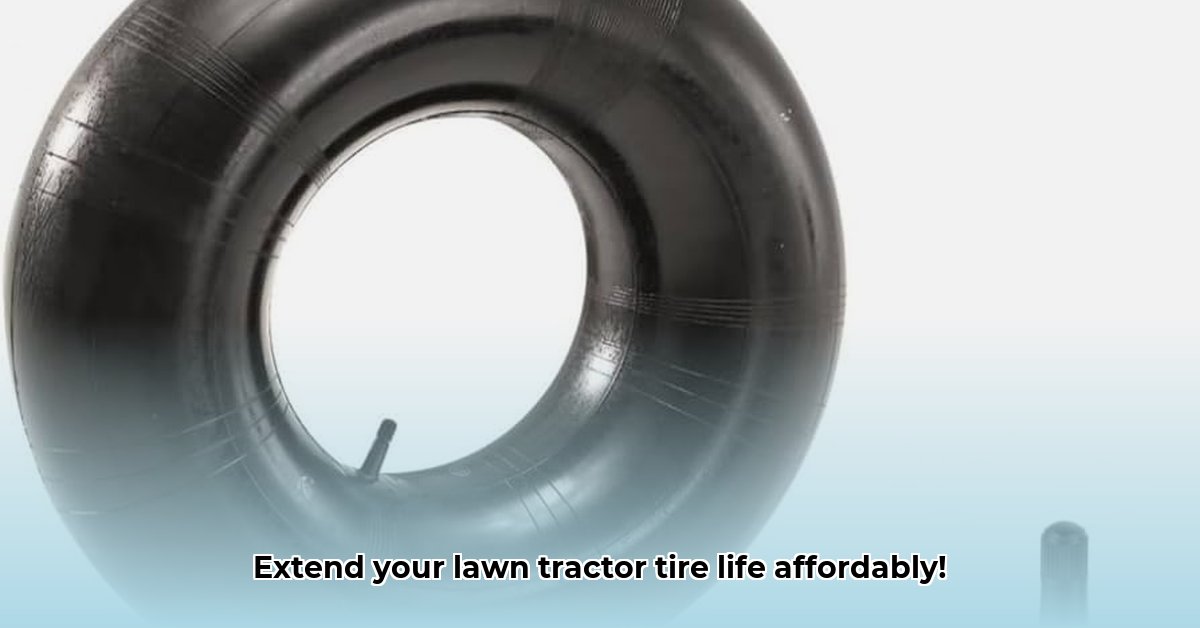
Farming demands durable equipment, and maintaining lawn tractors is no exception. Tire replacements can significantly impact both your budget and the environment. Fortunately, a simple, cost-effective, and sustainable solution exists: replacing worn-out inner tubes. This guide provides step-by-step instructions and crucial background information on leveraging inner tubes to extend the life of your lawn tractor tires, while minimizing environmental impact. Learn how to save money and contribute to a more sustainable agricultural practice. For tire size conversions, check out this helpful tire size calculator.
Assessing Tire Damage: Inner Tube vs. Full Tire Replacement
Before purchasing inner tubes, carefully diagnose the problem. Is it a simple puncture, or does the tire require complete replacement? A slow leak often indicates a repairable inner tube puncture. However, significant damage, such as sidewall bulges or large cuts, necessitates a new tire.
Step-by-Step Diagnosis:
- Deflate and Remove: Completely deflate the tire and carefully remove it from the rim using tire irons (available at most auto parts stores).
- Inspect the Inner Tube: Examine the inner tube thoroughly for punctures, tears, or other damage.
- Assess Tire Condition: Inspect the tire itself for substantial damage, such as large cuts, bulges, or significant tread wear. If extensive tire damage is present, replacement is necessary.
Selecting the Right Inner Tube: Size and Compatibility
Selecting the correct inner tube size is paramount. Using an incorrect size compromises performance and can damage the tire.
Locating the Correct Size: Your tractor's manual or the tire sidewall will specify the tire size (e.g., 18x8.50-8). This size must match the inner tube. Don't compromise on this critical step.
Checklist for Inner Tube Selection:
- Verify Tire Size: Confirm the size printed on the tire's sidewall.
- Match Inner Tube Size: Ensure the inner tube size precisely matches the tire size.
- Inspect for Defects: Check the new inner tube for any manufacturing flaws before installation.
Step-by-Step Inner Tube Replacement: A Practical Guide
Replacing a lawn tractor inner tube is a manageable DIY task. However, if you lack mechanical experience, professional assistance is recommended.
Detailed Procedure:
- Complete Deflation: Fully deflate the tire to ensure safety.
- Tire Removal: Use tire irons to carefully remove the tire from the rim. (Consult online video tutorials if needed).
- Inner Tube Removal & Inspection: Remove the old inner tube and inspect it for damage.
- New Tube Installation: Carefully install the new inner tube, ensuring proper positioning within the tire.
- Tire Remounting: Re-mount the tire onto the rim, ensuring the bead seats evenly around the rim.
- Inflation and Inspection: Inflate the tire to the manufacturer's recommended pressure, and perform a final inspection for leaks or irregularities.
Sustainable Disposal: Responsible Recycling Practices
Responsible disposal of old inner tubes and tires protects the environment. Avoid discarding them improperly.
Eco-Friendly Disposal:
- Check Local Regulations: Contact your local waste management authority to learn about tire recycling programs.
- Tire Recycling Centers: Many tire shops or recycling facilities accept old tires and inner tubes for proper disposal or recycling.
Cost-Benefit Analysis: Comparing Inner Tube Replacement with New Tires
While inner tube replacement provides significant short-term cost savings, a comprehensive cost-benefit analysis is crucial. Consider factors such as frequency of punctures, inner tube replacement costs, and the lifespan of the tire. Maintaining detailed records of your expenses will help determine which approach (inner tube replacement or tire replacement) is most economical.
Questions to Consider:
- How often do you experience tire punctures?
- What is the total cost of several inner tube replacements versus the cost of a new tire?
- What is the lifespan of the tire you are using?
Conclusion: Sustainable Practices for Long-Term Savings
Replacing lawn tractor inner tubes offers a compelling approach to sustainable agricultural practices. By implementing the steps outlined in this guide, you can significantly extend the lifespan of your tires, reduce waste, and minimize your environmental footprint. This cost-effective strategy allows you to maintain operational efficiency while contributing to a more eco-friendly farm operation.